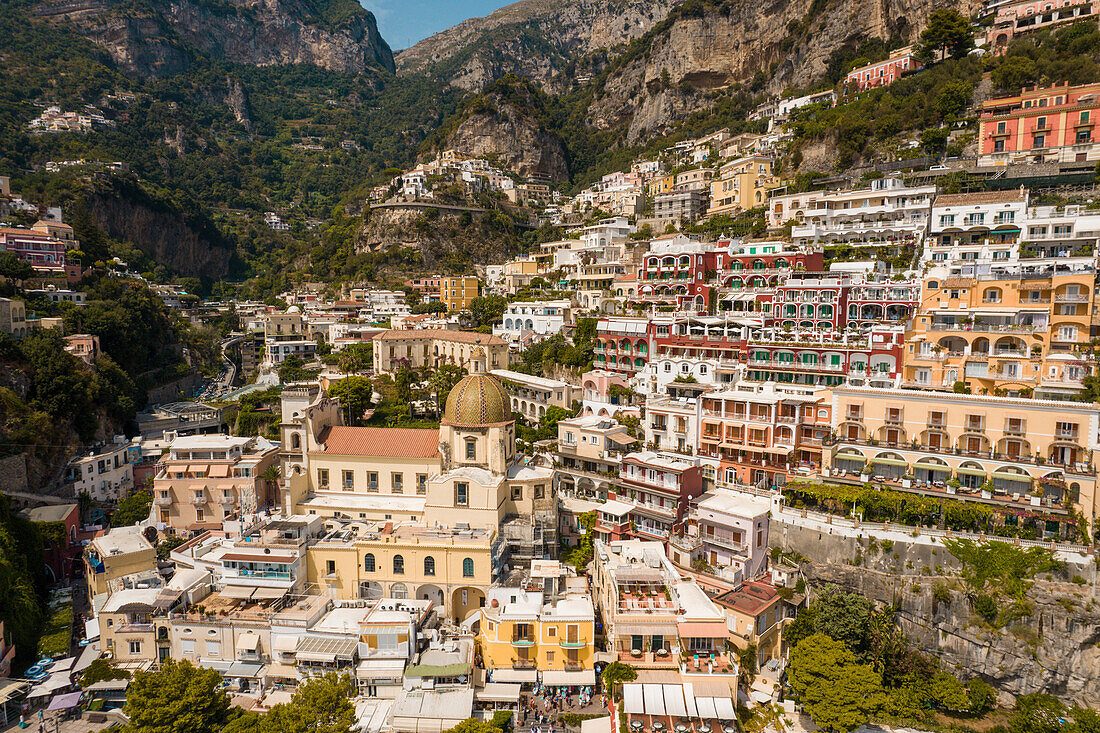
Positano
This town is defined by its vertical layout and pastel-colored houses clinging to the cliffside above the Tyrrhenian Sea. It serves as a central hub for coastal views and boutique shopping.
View from the beach before 10:00 to avoid crowds.
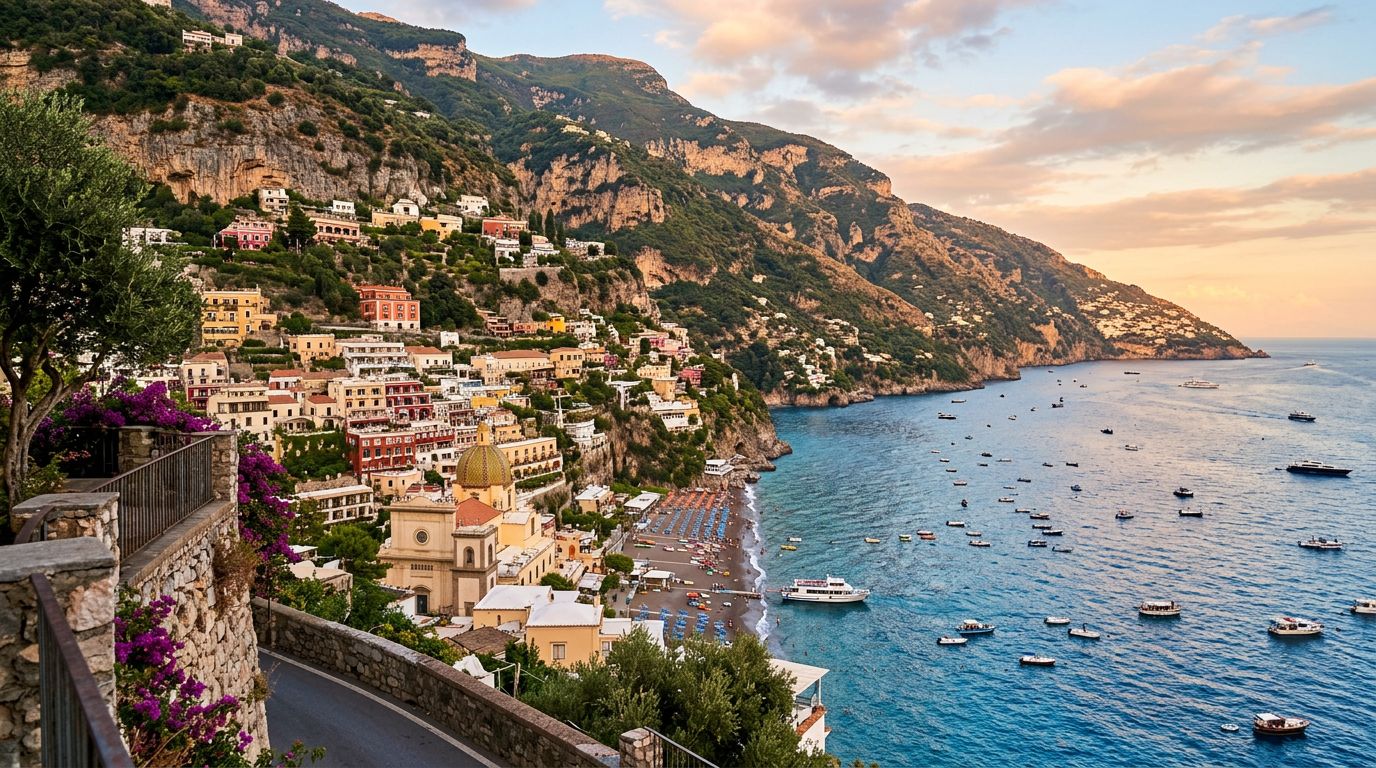
The Amalfi Coast stretches 50 kilometers along the Sorrentine Peninsula, where villages cling to near-vertical cliffs above the Tyrrhenian Sea. Public access to coastal roads and beaches is free, but accommodations, dining, and transport costs run significantly higher than mainland Campania. The reward is a landscape shaped by centuries of terraced lemon groves, hand-cut stone stairways, and architecture adapted to extreme topography.
Quick answer
The Amalfi Coast merits a visit if dramatic coastal scenery, historic cliffside towns, and Mediterranean culture align with your travel interests, and if you accept premium pricing and seasonal crowds. Free entry to public areas means the coastline itself costs nothing to experience, but lodging, meals, and boat tours command prices 40-60% above Italy's national average. The 13 towns offer distinct character—from Positano's vertical lanes to Ravello's elevated gardens—rewarding visitors who explore beyond a single base.
The Amalfi Coast became a UNESCO World Heritage Site in 1997 for its cultural landscape: a coastal strip where human settlement adapted to terrain that drops 1,400 meters from the Lattari Mountains to the sea within three kilometers. This geography created communities built on platforms carved into limestone, connected by stone staircases predating motor vehicles. Whether the Amalfi Coast justifies its reputation depends on what you value in travel. If you prioritize dramatic natural scenery paired with historic architecture, the coastline delivers 13 distinct towns, each shaped by its cliffside position. Positano cascades down a near-vertical slope in pastel tiers. Amalfi preserves its medieval role as a maritime republic through its cathedral and arsenals. Ravello sits 365 meters above sea level, offering gardens designed around panoramic views. The coastal road itself, completed in 1853, clings to cliffs and tunnels through rock—a feat of 19th-century engineering that remains the primary route. The case against visiting centers on cost and congestion. July and August bring cruise ship passengers and tour buses to roads built for mule carts, creating bottlenecks that can triple travel time between towns. A double room in Positano averages 280-450 EUR per night in high season, compared to 90-140 EUR in Naples. Restaurant meals follow similar inflation. These factors make the Amalfi Coast less accessible to budget-conscious travelers, though spring and autumn offer moderate pricing and thinner crowds. Deciding if the Amalfi Coast is worth visiting requires aligning expectations with reality. This is not a hidden gem—it attracts 5 million visitors annually. It is not a beach destination in the conventional sense; most shoreline is pebble or rock platform, and swimming areas are compact. What it offers is a specific combination: vertiginous beauty, towns that preserve medieval layouts because terrain prevents sprawl, and cuisine rooted in lemons, seafood, and produce grown on terraces. If those elements appeal and budget allows, the coastline rewards multi-day exploration beyond the most photographed viewpoints.
“The Amalfi Coast became a UNESCO World Heritage Site in 1997 for its cultural landscape: a coastal strip where human settlement adapted to terrain that drops 1,400 meters from the Lattari Mountains to the sea within three kilometers.”
The period between April and May or September and October offers the most favorable balance of manageable crowds and temperate climate. Arriving during the best arrival window of 07:00–10:00 is essential to bypass the dense traffic and bus congestion that impacts the coastal roads daily.
Mild temperatures 15°C–22°C. Ideal for coastal walks before humidity rises.
Hot and humid 25°C–30°C. Roads experience severe congestion throughout the day.
Warm 18°C–24°C. Sea remains suitable for swimming with fewer visitors.
—
Arriving between 07:00–10:00 ensures access to paths and viewpoints before peak transit volume.
Verdict: The best experience is found mid-week during April, May, or October, provided you arrive between 07:00–10:00 to avoid daily congestion.
The Amalfi Coast is located in the Campania region of Italy and is primarily accessed via the SS163 coastal road or by sea. Planning transit in advance is necessary due to the narrow, winding nature of the coastal roads.
Circumvesuviana line from Napoli to Sorrento
SITA Bus from Sorrento to Positano/Amalfi
SS163 Amalfitana road
Travel from Salerno or Naples to Amalfi/Positano
To navigate the region efficiently and avoid peak congestion on the narrow coastal roads, plan your travel to fall within the best arrival window of 07:00–10:00.
Visiting the Amalfi Coast does not require a general entrance fee, as access to public areas, coastal roads, and beaches is open to all. Costs associated with the region typically relate to specific services, guided experiences, or transport rather than entry to the area itself.
Verdict: A typical adult pays 0 EUR for access to the region, though individual excursions or transport services will vary based on your personal itinerary.
The Amalfi Coast comprises distinct towns, each offering a different perspective of the coastline's topography and history. These highlights help determine which areas align with your interests.
This town is defined by its vertical layout and pastel-colored houses clinging to the cliffside above the Tyrrhenian Sea. It serves as a central hub for coastal views and boutique shopping.
View from the beach before 10:00 to avoid crowds.
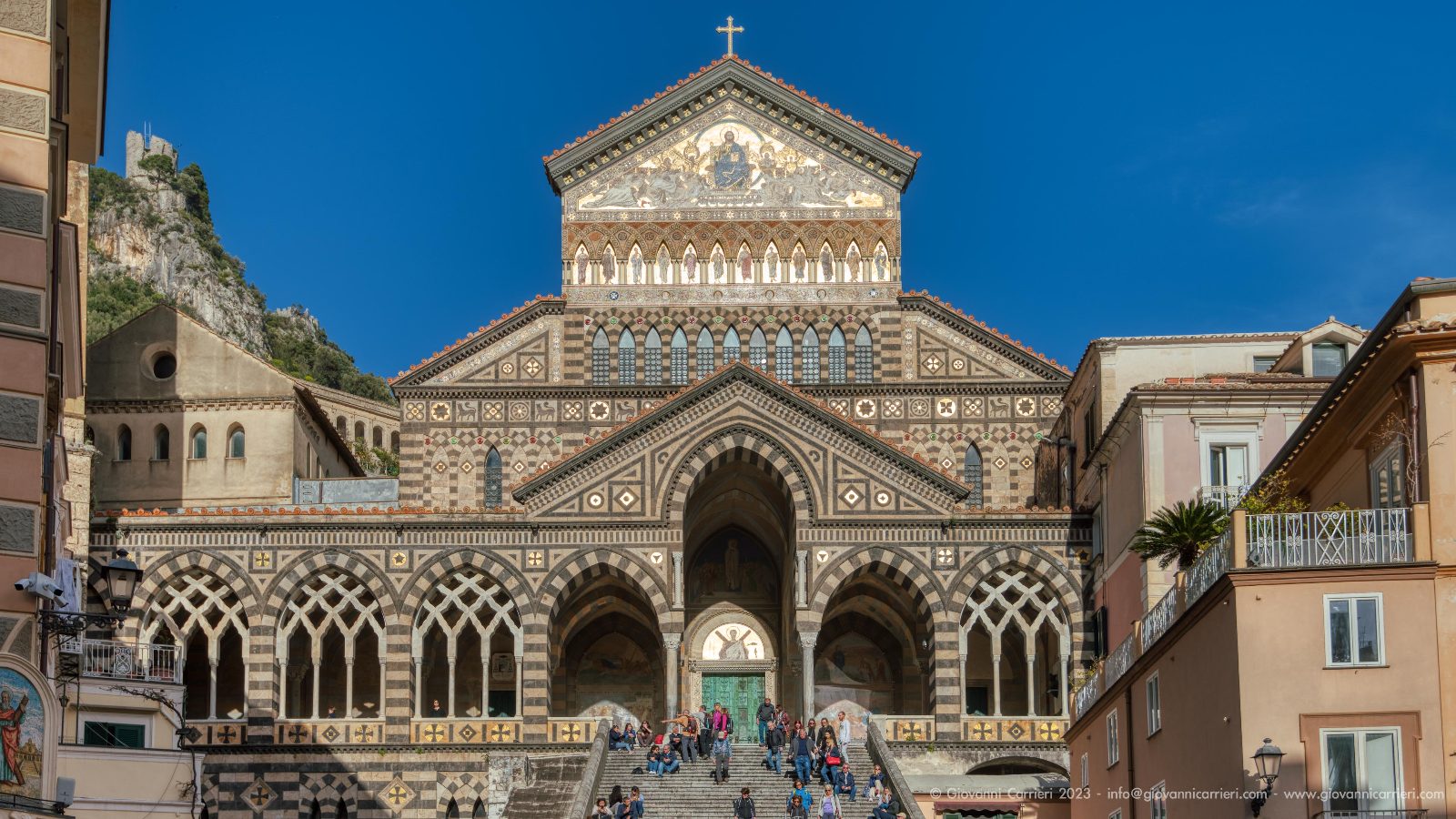
The Cattedrale di Sant'Andrea dominates the town center with its striped facade and ornate Byzantine bronze doors. It remains the historical focal point of the region.
Climb the front steps early to see mosaics clearly.
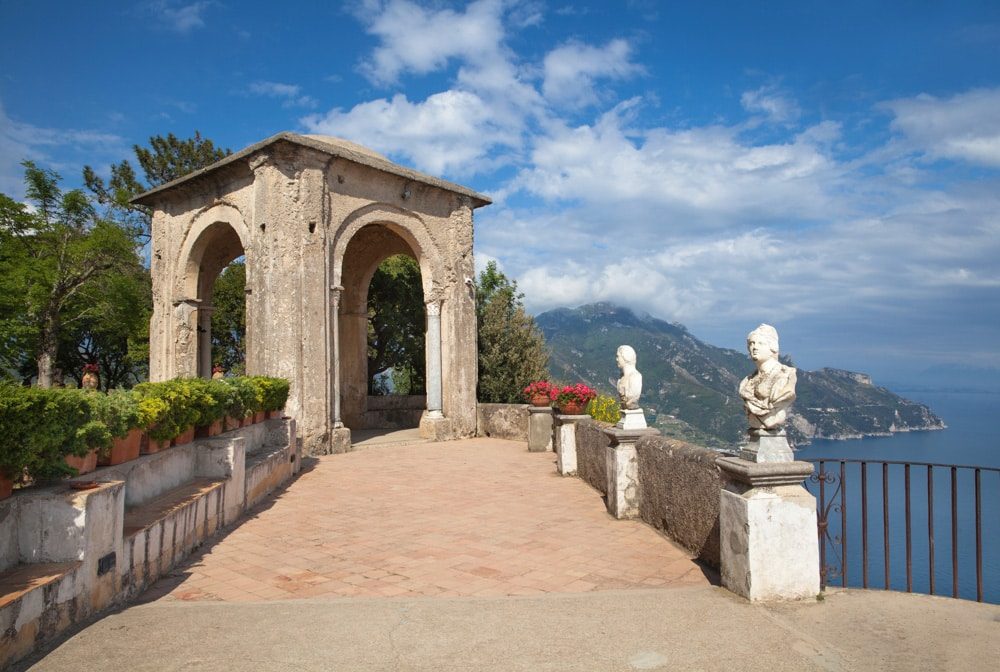
Located high above the sea, this town is known for its quiet gardens and historic villas rather than direct beach access. It provides a vantage point over the coastline from high elevations.
Visit the gardens at Villa Cimbrone for panoramas.
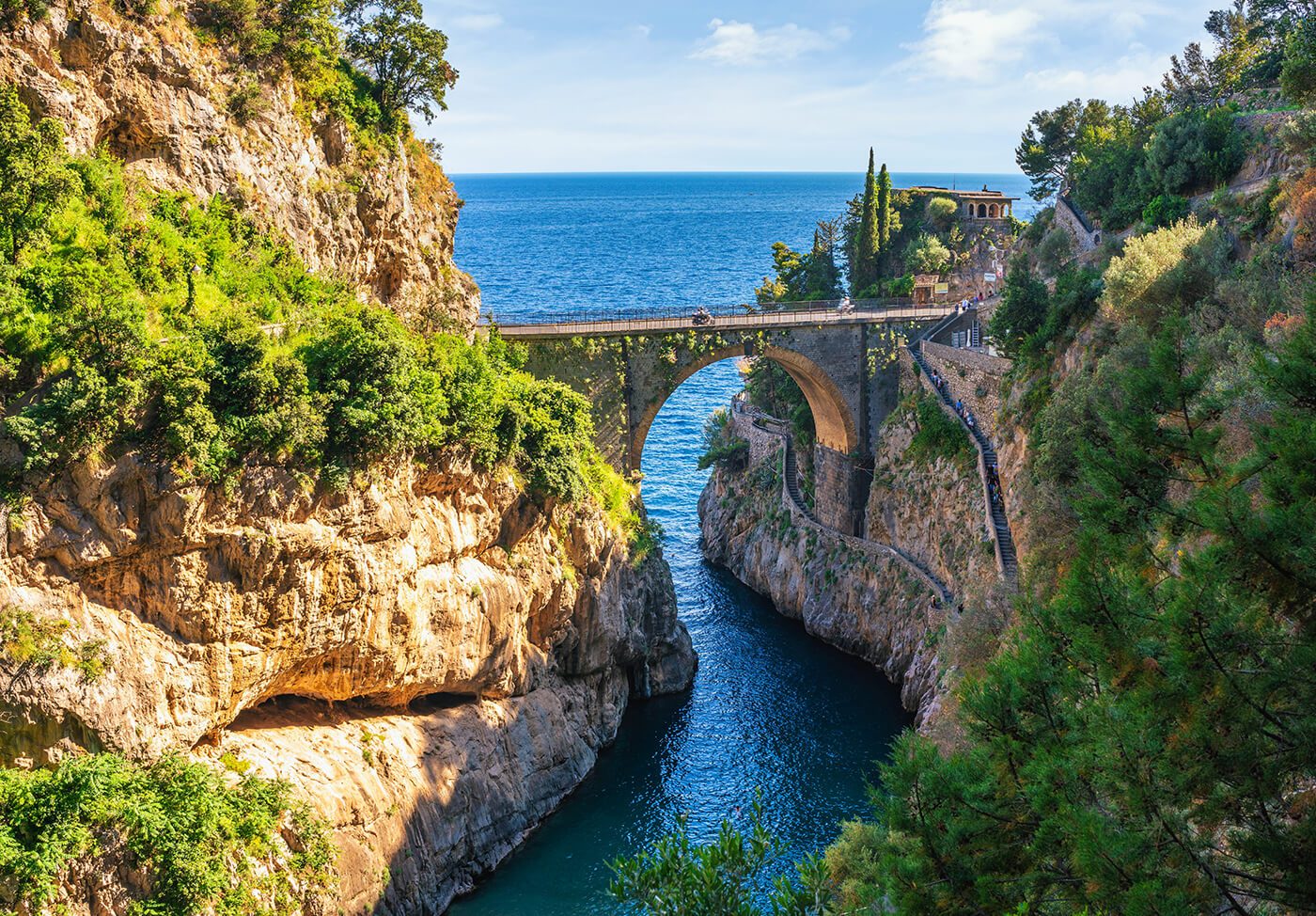
This narrow inlet features a small pebble beach nestled beneath a high bridge on the coastal road. It is a geological highlight often passed by travelers.
Watch for the bridge from the water perspective.
The Amalfi Coast's narrow roads and limited infrastructure create predictable bottlenecks that catch first-time visitors off guard. Most problems stem from underestimating travel time and choosing the wrong transport method.
Driving a rental car during summer
The SS163 coastal road becomes a crawling parking lot from June through August, with buses and delivery trucks creating standstills in single-lane sections. Use ferries between towns or book private boat transfers to bypass road traffic entirely.
Booking day trips from Naples or Rome
Round-trip travel from Naples takes 3-4 hours minimum, from Rome 6+ hours, leaving little time to experience multiple towns. Base yourself in Positano, Amalfi, or Sorrento for at least two nights to explore without rushing.
Packing only beachwear and sandals
Coastal towns require steep stair climbing—Positano alone has 1,700 steps between beach and upper parking areas—and uneven cobblestone paths. Bring proper walking shoes and layers for cooler evenings, especially outside July-August.
Skipping ferry schedules in advance
Hydrofoils and ferries between towns run on fixed schedules that reduce significantly after September, and rough seas cancel services without notice. Check Travelmar and Alilauro timetables the day before travel and have bus backup plans.
Attempting to visit every town in one day
Ravello sits 365 meters above sea level requiring a separate 30-minute bus ride from Amalfi; Positano to Amalfi alone takes 45 minutes by road. Select 2-3 towns maximum per day and focus on exploring them properly rather than collecting photo stops.
Everything you need to know about is amalfi coast worth visiting
Travelers often ask is the Amalfi Coast worth visiting because of its historic villages and dramatic cliffside views. The region offers a distinct blend of Mediterranean culture, rugged terrain, and seaside charm that many find rewarding. Exploring the area requires planning, but is the Amalfi Coast worth visiting if you enjoy coastal beauty and Italian heritage.
To make the most of your day, arrive between 07:00 and 10:00 to navigate the winding roads before peak traffic. This arrival window helps you bypass heavy tour bus volume. Visitors wondering is the Amalfi Coast worth visiting during summer find that early mornings provide the most peaceful experience.
There is 0 EUR entrance fee for public areas, coastal roads, and beaches, though transport and services vary. Many travelers determine is the Amalfi Coast worth visiting based on whether they can manage their budget through public transport or boat excursions. It remains a popular destination for those seeking scenery without requiring paid entry to the region itself.
Boat tours are a highly recommended way to view the rugged cliffs and hidden coves that define this UNESCO heritage site. By approaching from the sea, you gain a perspective of the shoreline impossible to match from land. Many consider this the ideal method to determine if the Amalfi Coast worth visiting fits their vacation style.
Families often wonder is the Amalfi Coast worth visiting with young children due to the narrow streets and stairs. While the terrain can be challenging, the beaches and boat trips provide accessible leisure activities. Proper planning regarding accessibility helps parents decide if the Amalfi Coast worth visiting is right for their family trip.
The most common mistake is attempting to drive the narrow coastal roads during peak afternoon hours. Visitors who plan their transport ahead often have a better experience than those who get stuck in congestion. Evaluating logistics early helps clarify is the Amalfi Coast worth visiting for your specific itinerary.
Amalfi Coast Boat Tours from Salerno
Read more Tickets & toursPrivate Amalfi Coast Boat Tours
Read more Tickets & toursAmalfi Coast Boat Tours from Sorrento
Read more GuideAverage Cost of a Trip to the Amalfi Coast
Read more Tickets & toursAmalfi Coast Boat Tours from Positano
Read more Tickets & toursAmalfi Coast Boat Tours from Amalfi
Read more GuideHow Many Days Do You Need in the Amalfi Coast?
Read more Tickets & toursAmalfi Coast Boat Tours from Naples
Read more